‘You adapt’: Living with and fundraising for a rare cancer during a global pandemic
Article content continued
Arleigh McCurdy is a hematologist who leads The Ottawa Hospital’s myeloma program. It sees about 130 new patients in the Ottawa region annually and follows close to 1,000. In the COVID-19 era, the stability of their treatment is an open question.
“So far we have been able to deliver chemotherapy and other treatments without significant delay, but the margin of error is very slim,” McCurdy said. “If the COVID hospitalizations rise, our ability to give chemotherapy will absolutely be compromised. I think this point is really crucially important for people to understand: In order for us to be able to continue to do live-saving things (such as) chemotherapy, bone marrow transplants, surgeries, we need the curve to stay flat.”
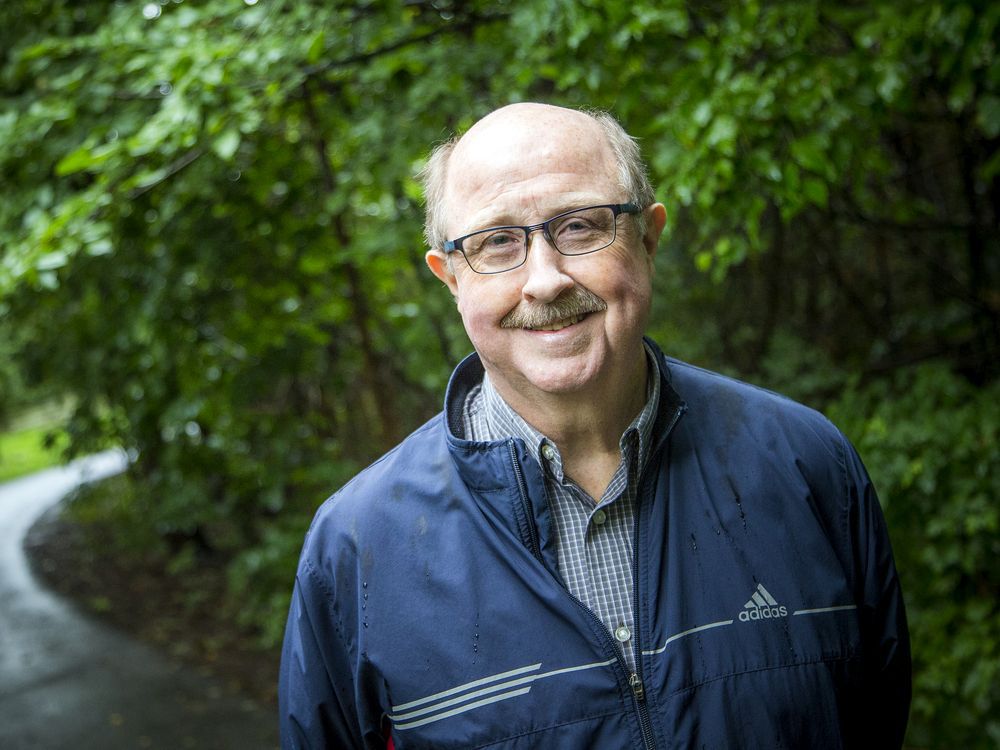
Glenn Hussey, a retired federal public servant, takes a daily chemo maintenance drug and visits The Ottawa Hospital for blood work monthly to ensure his disease remains in partial remission. As a myeloma patient with two stem cell transplants under his belt, he’s acutely aware of the heightened risk to his health from COVID-19 in terms of treatment access and infection risk.
Hussey, who will lead Sunday’s Multiple Myeloma March in the capital, hopes for a cure for the disease just as he hopes to see a COVID-19 vaccine in the near future.
The self-described “Greco fanatic” can’t wait to get back to the gym. He misses selling 50/50 tickets for the Ottawa Senators Foundation and, as an avid soccer fan, dreams of travelling to England to see matches.
In the meantime, though, “You adapt,” Hussey said. “I mean I think that’s the key. You just adapt.”
Published at Fri, 18 Sep 2020 23:26:15 +0000