Covid-19 has had ‘devastating effect’ on cancer services
The performance of some cancer services is getting worse, not better, due to historical underfunding, a lack of capacity in the system and an under resourced and incomplete workforce, the Irish Cancer Society has said.
In an opening statement to the Oireachtas committee on health, the society says that while cancer services received substantial additional resources in the budget this year, “the scale of the challenge is immense and, while increased funding is absolutely vital, money alone will not solve all the problems”.
Covid-19 has had “a devastating effect on a system that for many years, had insufficient capacity to be able to assure people that they would get diagnosed and treated for their cancer as fast as they should”, it says.
“Insufficient hospital capacity, inbuilt inefficiencies and too few healthcare professionals, plus an increase in cancer cases of 3-4 per cent annually, has led to lengthy and growing waiting lists. Longer waiting lists mean delays in diagnosis and treatment. Delayed diagnosis and treatment can mean worse patient outcomes.”
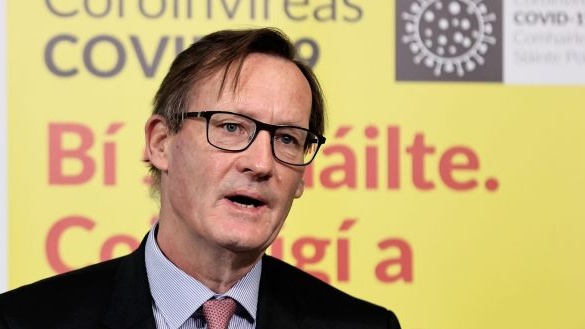
Prof Risteard Ó Laoide, director of the National Cancer Control Programme, in his opening statement ahead of a hearing on Wednesday says that Covid-19 posed significant challenges to cancer services, particularly during the first wave.
Dr Nóirín Russell, clinical director of CervicalCheck, is to tell the committee that by the end of this month it will have issued a first invite letter to everyone due screening this year.
“We have issued over 270,000 invites in 2020 and screened over 117,000 people in primary care,“ she says in an opening statement.
“While we continue to work to minimise the impact of Covid 19 on screening, I can also tell you that evidence shows that because of the typically slow progression of cervical cancer (5-15 years) the beneficial outcomes don’t reduce if screening is delayed for six months.”
Uncomfortable truth
Dr Russell says in her statement that it is important that society acknowledged an uncomfortable truth about screening programmes.
“No screening programme will pick up all potential cancer cases; none are designed to do so. When a potential case of cancer is not detected in screening, this does not mean that the screening test has failed. It illustrates the boundaries of the test,” she says.
“Furthermore, when these women go on to get cancer and their cytology slides are reviewed retrospectively, there is a 4 in 10 chance that abnormalities will be seen that were not seen at the time of screening. This is called retrospective bias. It is important that as a society we acknowledge this uncomfortable truth.”
Prof Ó Laoide will say that during the initial pandemic wave in March and April there was a reduction in cancer presentations and referrals, in attendances at rapid access clinics for breast, lung and prostate cancers and in the number of patients undergoing treatment.
“Reduced cancer presentations were likely related to an understandable fear with regard to Covid infection and a response to the restrictions in place at that time. Since then there has been a gradual recovery in all metrics, a recovery which has continued despite the second autumn pandemic wave,” he says in his statement.
“There was a decrease in the number of cancers diagnosed at the rapid access clinics during the first wave. There has, however, been an increase since then, and at the end of September, the year to date number of primary cancers diagnosed at these clinics was approximately 90 per cent compared to 2019.
“It is expected that this percentage figure will continue to increase for the remainder of the year with a consequent reduction in the number of ‘lost cancer’ diagnoses.”
The Irish Cancer Society will say that access to care was being rationed by waiting lists “and until these are eradicated, patient care, and sometimes outcomes, will be compromised”.
Published at Wed, 09 Dec 2020 07:07:30 +0000